Experiential marketing examples
By the foodtruckrentals.com activation team · Updated 2026-09-13
Experiential marketing examples fall into five formats: a marketing vehicle, a mobile tour, a pop-up, an installation the audience takes part in, and sampling. The fifteen campaigns below are sorted that way, with the goal each served, what to take from it, and the tier the format is quoted at today. Five of them are ours.
Every other list of these opens with the same ten famous campaigns and never says what any of them cost or which format a smaller brand could actually book. This one is written by the people who build the vehicles, so each format carries a real price band from our published tiers. For the single moment rather than the campaign, the brand activation examples page is the companion; for the agency behind the five that are ours, start here.
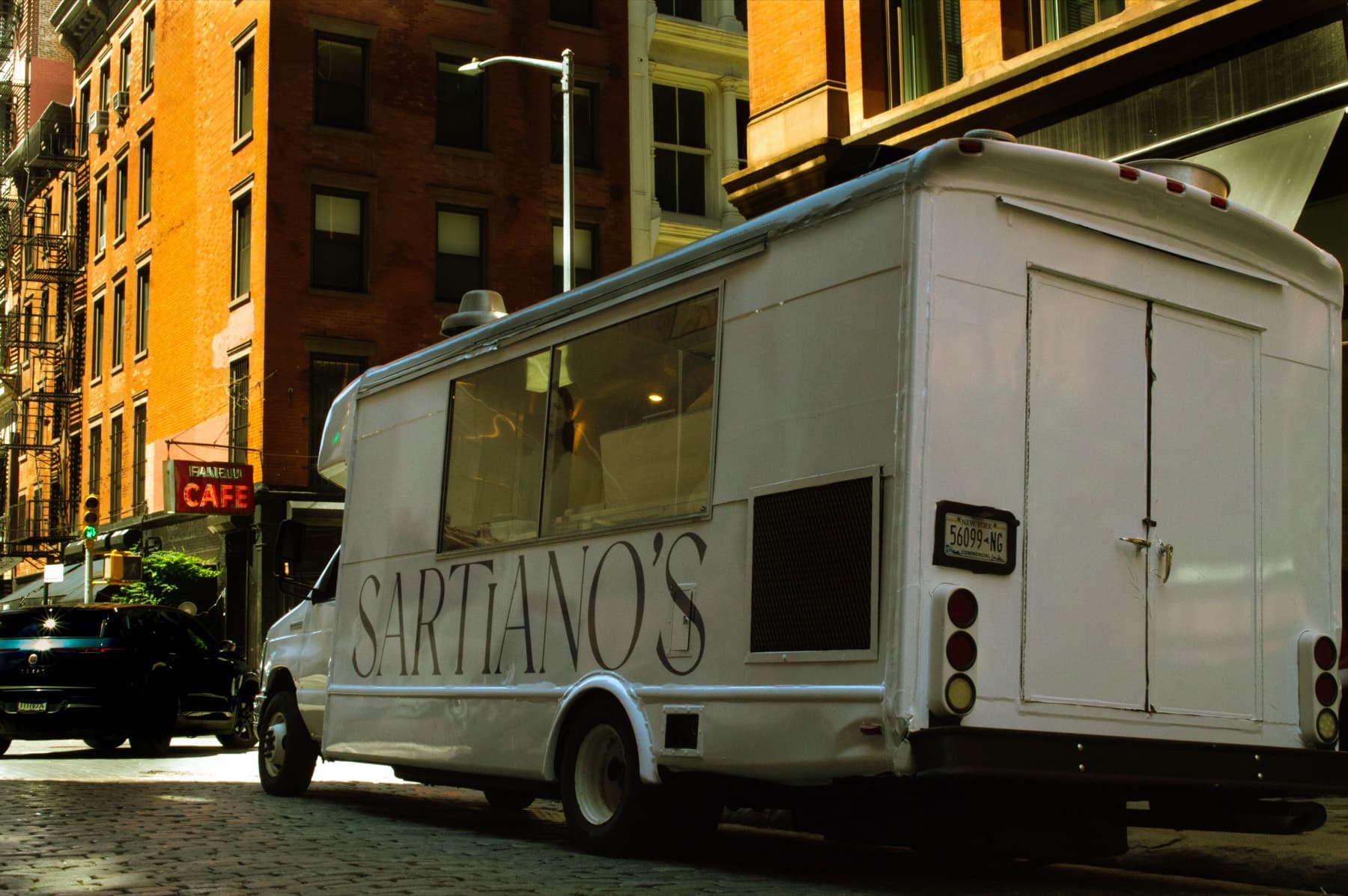
Marketing vehicles
A branded vehicle that is the campaign: it advertises while it drives and serves, sells, or samples once it stops.
What this format costs today
Branded single-day activation, $10,000–$45,000. The wrap is bought once.
01
Oscar Mayer: The Wienermobile
Goal Be recognisable from a block away, for decades
A hot-dog-shaped vehicle first put on the road in 1936 and still touring. It has no message beyond itself, which is the message: the brand is the thing you point at from the car window.
Take from it The oldest marketing vehicle is a reminder that a wrap does not need copy. A shape that reads at speed is the whole ad.
02
Ralph Lauren: Ralph’s Coffee truck
Goal Give a fashion house a reason to be on the street every day
A green coffee truck under the Ralph’s Coffee name, parked at flagship stores and events, serving a product the brand did not previously sell. Coffee is the excuse; the truck is the storefront.
Take from it A truck can extend a brand into a category it never had, as long as the category gives people a reason to walk up.
03 · Ours
JOKR: A delivery launch, delivered
Goal Put a new delivery app in front of the neighbourhoods it was launching in
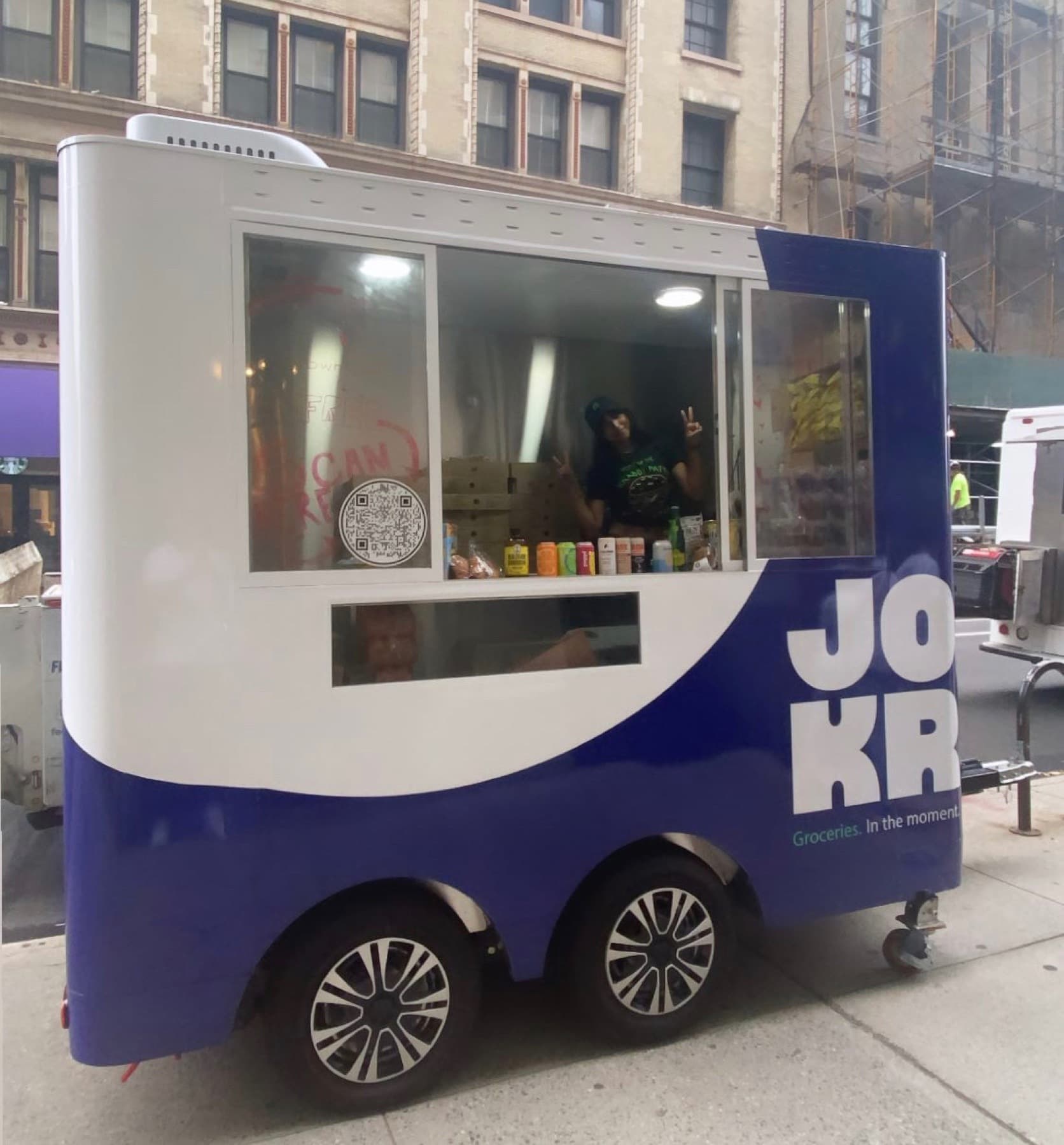
A wrapped cart for the New York launch of JOKR, a rapid grocery delivery app. A service whose whole pitch was speed to the door announced itself from the kerb, in the neighbourhoods it wanted orders from.
Take from it For a service with a geography, the truck’s route is the targeting. It goes where the customers are allowed to be customers.
04 · Ours
VeeFriends: A character wrap
Goal Put an illustrated brand in front of people at street scale
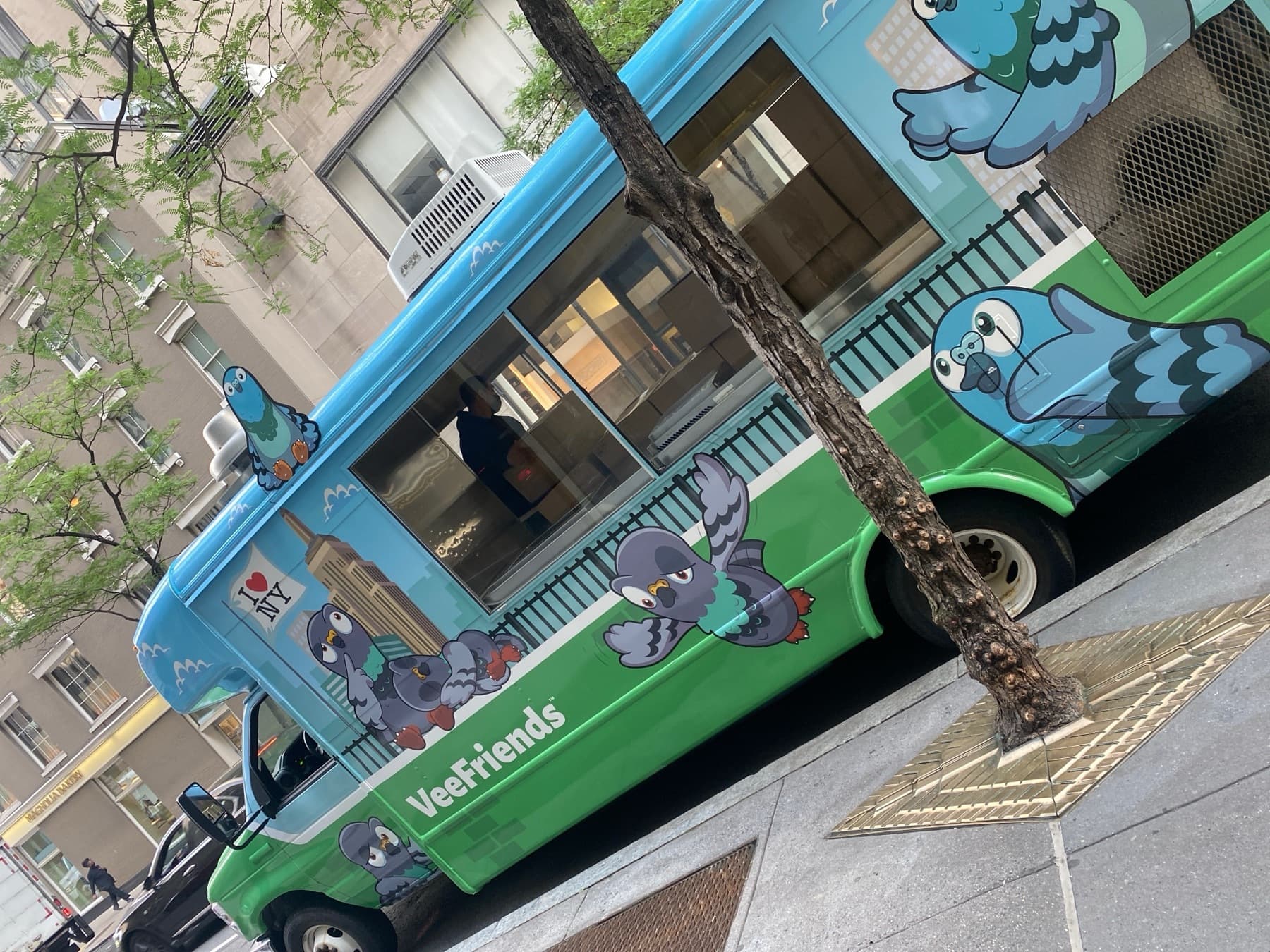
A full truck wrap carrying VeeFriends characters, so a brand that lived on screens and collectibles had a side of a vehicle to be photographed against.
Take from it Wraps favour brands with a visual world. If the creative already exists at poster scale, the truck is the cheapest large-format print you will buy.
Mobile marketing tours
One build, many cities. The vehicle carries the campaign from market to market and the creative is paid for once.
What this format costs today
Multi-day / multi-market campaign, from $50,000. The second and third cities are cheaper per day than the first.
05
Casper: The Nap Tour
Goal Let people try a mattress that was only sold online
A trailer fitted with beds, driven city to city, where passers-by booked a short nap. A product with a try-before-you-buy problem, solved by bringing the trying to the pavement.
Take from it A tour is the answer when the product needs a physical trial and the customers are spread across a map.
06
Warby Parker: The Class Trip
Goal Open a store in a city without opening a store in the city
A yellow school bus converted into a travelling optical shop, parked in cities where the brand had no store yet. People tried frames on the bus; the bus moved on.
Take from it The cleanest case for a store on wheels: test a market at the cost of a vehicle instead of a lease.
07 · Ours
Cipriani: A summer in Southampton
Goal Follow the customers when they left the city
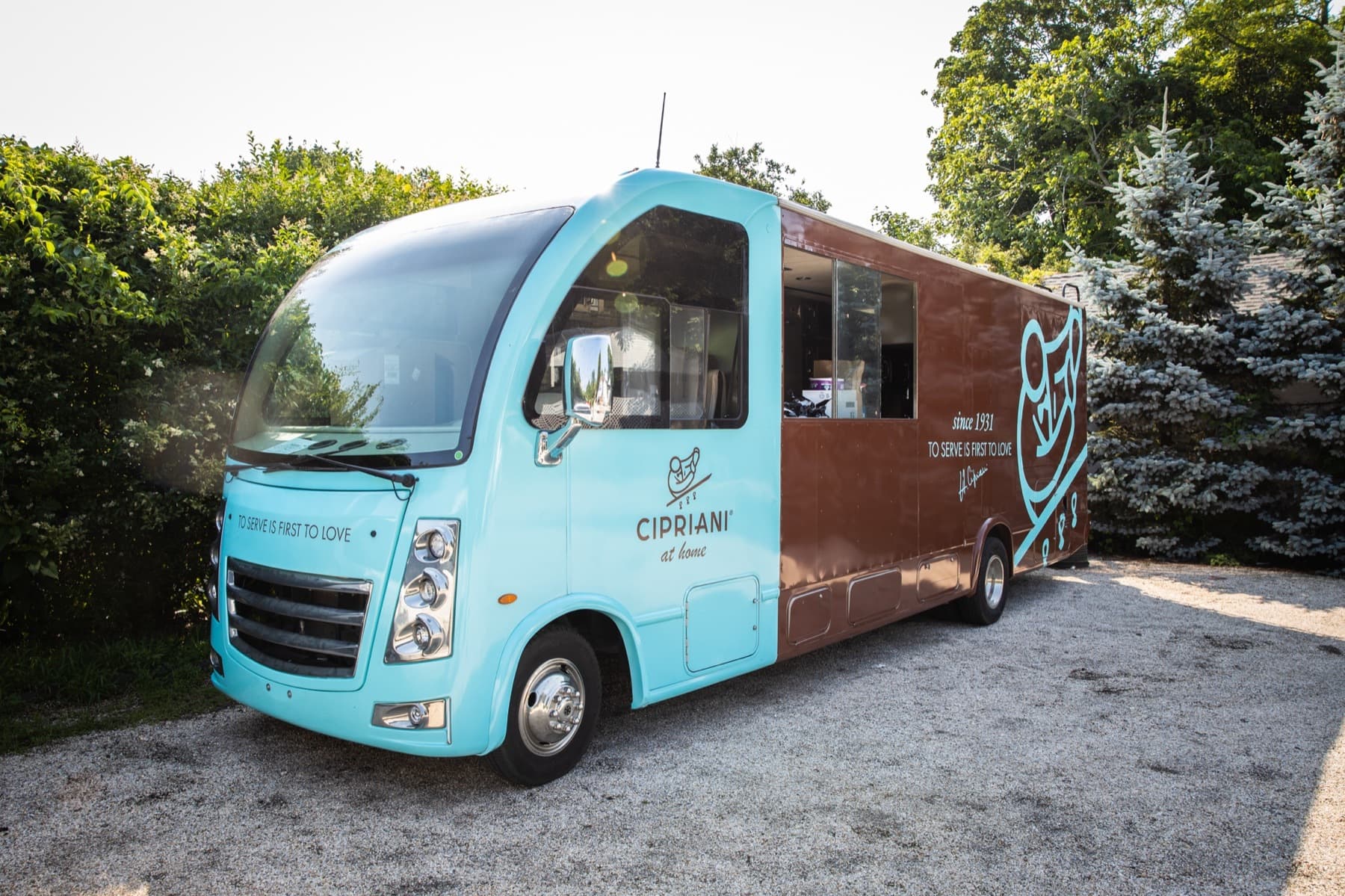
A custom-built Cipriani truck run as a Southampton satellite location for a full summer, with online ordering, pickup, and delivery for clients who had decamped from Manhattan.
Take from it A tour does not have to move every day. One vehicle, one market, one season is a tour with a single stop, and it kept a restaurant in front of its regulars for three months.
Pop-up retail
A temporary shop or set that exists to be visited and photographed for a few days or weeks.
What this format costs today
Branded single-day activation on a truck, from $10,000. A leased space is a different budget; a truck is the pop-up without the lease.
08
Glossier: The pop-up circuit
Goal Give an online brand a queue people could stand in
Temporary Glossier stores opened city by city, each styled as a set and each with a line outside it. The queue was photographed as much as the products.
Take from it For a DTC brand the pop-up is the first time the customer meets the brand in a room. Design the room for the phone.
09
IKEA: The store sleepover
Goal Turn a customer request into a night in the shop
After a fan group asked for it, IKEA let a hundred people sleep over in a UK store: beds, a bedtime story, a manicure. A retail space used as an event space for one night.
Take from it The best pop-up ideas are often already being asked for. Listening is cheaper than inventing.
10 · Ours
Madonna: Ciccone’s
Goal Give an artist launch a place to happen on the street
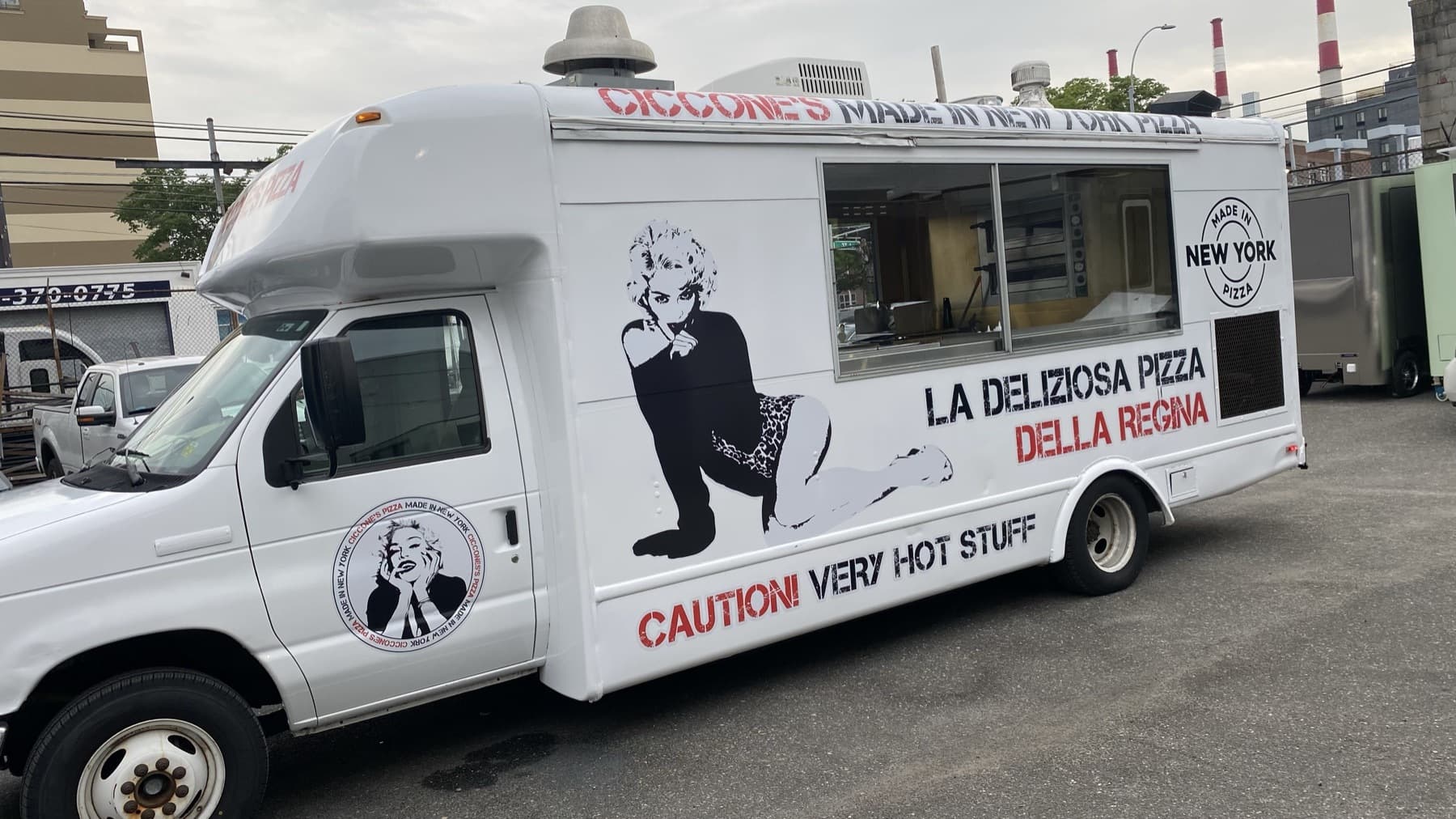
A Ciccone’s pizza truck, Madonna’s image on the wrap, built for an artist launch: a pop-up that came to the crowd rather than asking the crowd to find a venue.
Take from it A launch pop-up on a truck removes the hardest part of a launch, which is getting the audience to a location. The location arrives.
Installations and participation
A built thing the audience walks through or contributes to. The content is made by the people who show up.
What this format costs today
Built to the brief. On a truck, a participation mechanic is a branded single-day activation with the set on the vehicle.
11
Refinery29: 29Rooms
Goal Make a media brand physical
A touring installation of themed, artist-made rooms, each built to be entered, played with, and shot. Ticketed, sold out, repeated across cities.
Take from it When the brand is content, the activation is a set of stages for the audience to make more of it.
12
Netflix: Stranger Things, rebuilt
Goal Put a fictional place in a real city
Sets from the series rebuilt as walk-through installations and pop-ups in city centres, so fans could stand inside the show for an afternoon.
Take from it Entertainment brands have an unfair advantage: the world already exists. The activation is a door into it.
13
Nike: The Unlimited Stadium
Goal Let a runner race their own last lap
A running track in Manila shaped like a shoe sole, ringed with LED screens on which each runner raced an avatar of their own previous lap.
Take from it The participation was the product benefit made literal. The best installations demonstrate rather than decorate.
Sampling and hospitality
Product in hand, or a cup in hand, at the moment the audience wants it. The least theatrical format and the most measurable.
What this format costs today
Unbranded event rental, $1,500–$9,000 a day, or branded from $10,000.
14
Coca-Cola: The Happiness Machine
Goal Make a vending machine the event
A campus vending machine rigged to dispense far more than a Coke: flowers, pizza, a sandwich too long for the slot. Filmed, and watched by millions who never saw the machine.
Take from it A small, physical surprise with a camera on it outperforms a large one without. The audience for a sampling moment is mostly not on the pavement.
15 · Ours
Blank Street: A coffee cart activation
Goal Put the brand’s cup in people’s hands where they already queue for coffee
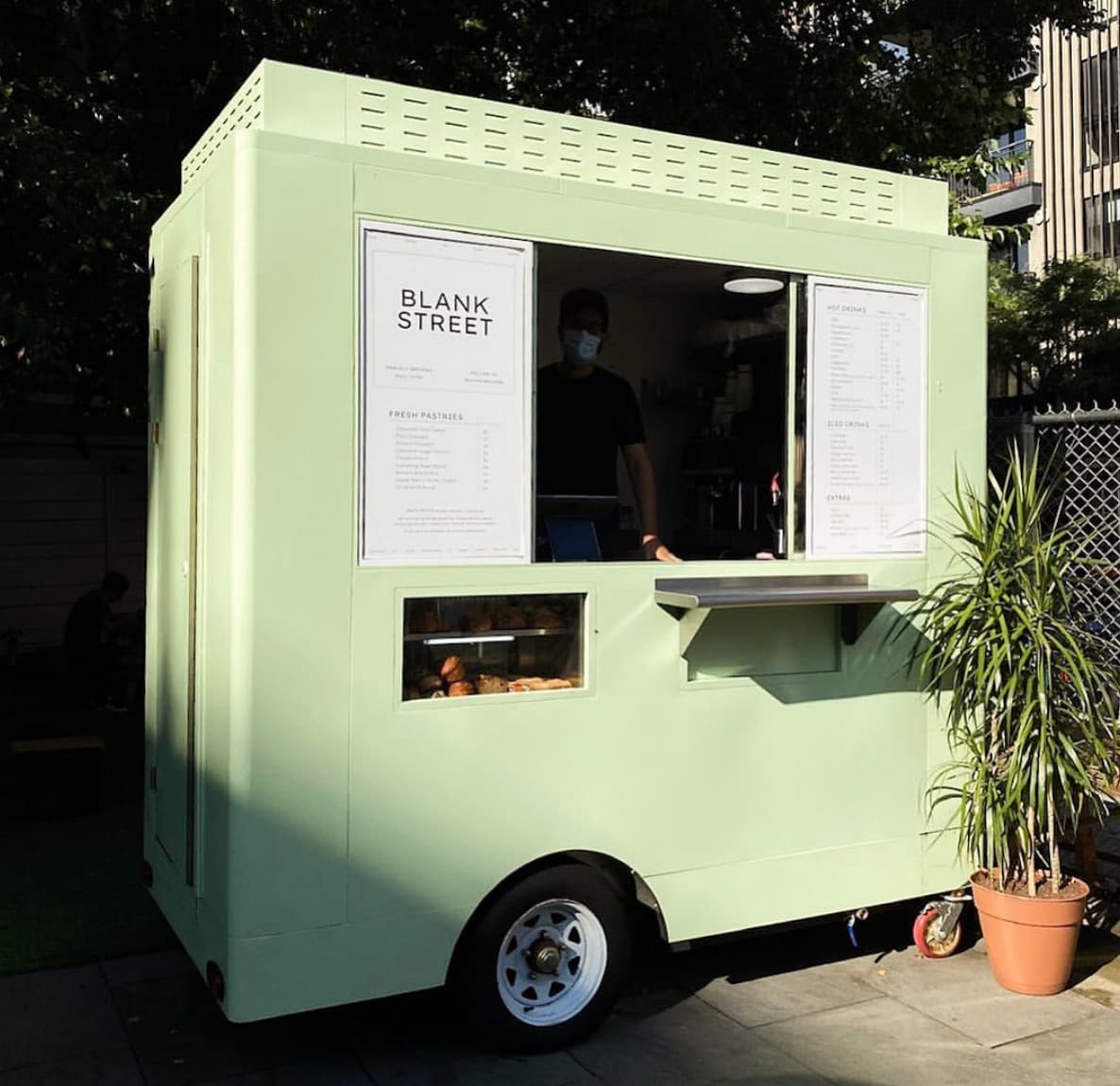
A Blank Street coffee cart, staffed and branded, serving where the morning crowd was. Hospitality as the activation: nothing to explain, a cup with the name on it.
Take from it For a brand that already sells something people want at 8am, sampling is not a metaphor. It is the product, on a cart, on the corner.
Experiential marketing ideas, by budget
The famous examples above are useful for the principle and useless for the budget. These are the campaigns a brand can actually book, sorted by the tier they are quoted at, so the idea and the number arrive together.
$1,500–$9,000
A staffed truck or cart, unbranded
- A sampling day on the lunch corner your audience already uses, with your product on the counter and our staff on the window.
- A coffee cart in the lobby of the office you are trying to win, serving under your name for a morning.
- A pop-up at a partner store’s door for a Saturday, where the reward for spending inside is handed out from the truck.
$10,000–$45,000
A branded single-day activation
- A launch truck wrapped in the campaign creative, parked at the one location the press and the audience share, for an afternoon built to be photographed.
- A retail takeover: the store’s own truck under the store’s own marquee, extending the shop floor onto the pavement for the day.
- A collaboration cart, two brands on one small vehicle, in a place a truck could not fit.
From $50,000
A run, a season, or a tour
- A launch week: one build, three locations, three audiences, with the wrap paid for once.
- A season-long placement outside a flagship or a campus, where the truck becomes part of how the place looks.
- A multi-city tour that tests markets the brand has no store in, at the cost of a vehicle rather than a lease.
How to plan an experiential marketing campaign
- Name the outcome before the format
- Trial, launch, footfall, a market, goodwill. The format follows from the outcome; choosing the truck first and the reason second is how activations end up as photo shoots.
- Put it where the audience already is
- The best experiential marketing events are not events people travel to. They are corners, store fronts, and plazas the audience was already crossing at the hour it happens.
- Pay for the creative once
- A wrap, a set, an installation are one-time costs. A campaign that runs three days or three cities spreads them; a single afternoon eats them whole.
- Measure what the format can measure
- A sampling truck counts samples. A wrapped vehicle counts transit impressions and footfall. A pop-up counts visits and posts. Decide the number before the day so the report is a result, not a defence.
The step-by-step, from setting the outcome to measuring it, is in the brand activation guide. The formats we run, and what each one involves, are on branded food trucks and mobile pop-up shops.
Experiential marketing examples FAQs
- What is an experiential example?
- An experiential example is any marketing moment the audience takes part in rather than watches: a wrapped truck handing out samples on a lunch corner, a pop-up shop with a queue outside it, a mattress trailer offering naps, an installation people walk through. The fifteen on this page are grouped by format, from marketing vehicles to sampling, with the goal each served.
- What are experiential marketing events?
- Experiential marketing events are live, in-person moments run by a brand: launches, pop-ups, sampling days, installations, tours, and sponsorship activations at festivals. The distinguishing feature is participation. A press event where people sit and listen is an event; a launch where the audience queues for the product on a truck is experiential.
- What is the difference between experiential marketing and event marketing?
- Event marketing promotes or sponsors a gathering: a conference, a concert, a game. Experiential marketing creates the experience itself and puts the audience inside it. They overlap at a sponsor’s activation inside an event, which is experiential marketing happening at an event marketing property.
- Which experiential marketing format is cheapest?
- A staffed, unbranded truck or coffee cart, from $1,500 a day in New York. It has no wrap, no set, and no lease, and it still gives the brand a physical moment with a queue. The next tier, a branded single-day activation on a wrapped truck, starts at $10,000.
- Does experiential marketing work without a big budget?
- Yes, if the idea is participation rather than spectacle. Coca-Cola’s Happiness Machine was one rigged vending machine. Lean Cuisine’s scale wall was a wall and some markers. A sampling truck on the right corner at the right hour is a modest day rate. The budget buys reach; the mechanic buys the result.
Got a campaign?
Tell us the brand, the goal, and the market; we’ll propose the format and quote it within 48 hours.
Related: Experiential Marketing AgencyBrand Activation ExamplesFood Truck MarketingAll Case Studies