A flagship, parked at the flagship
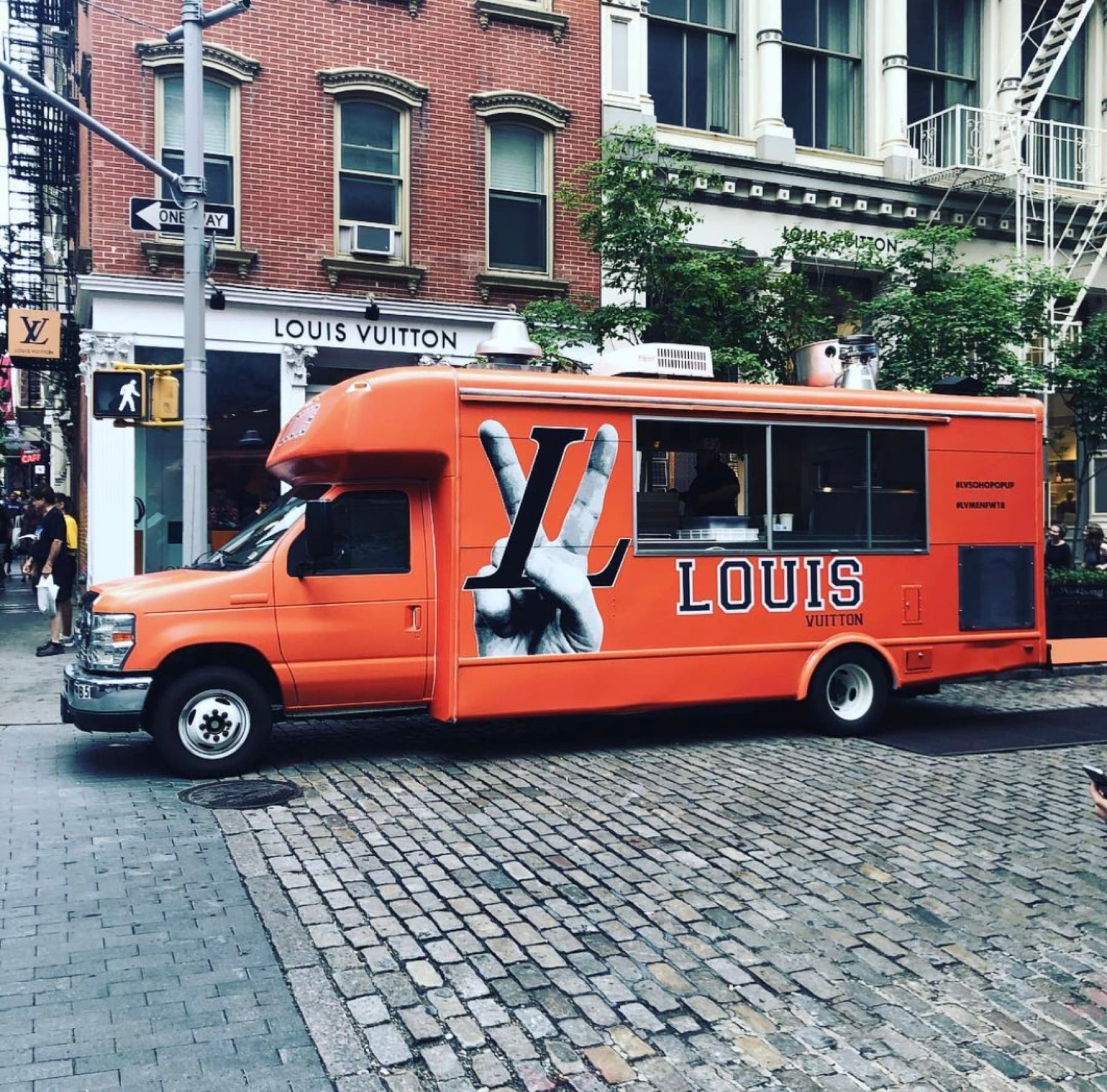
A full LV-monogram truck wrapped and parked outside the SoHo flagship — with free meals gifted to shoppers who hit an in-store spend threshold.
- Truck
- Full wrap
- Shopper reward
- Free meals
An experiential marketing agency built around one format: a custom-wrapped, staffed truck parked exactly where your audience already is. From $10,000 a day, measured and reported.
Louis Vuitton, Bloomingdale’s, Michael Kors, Cipriani and Eleven Madison Park have all put their name on one of our trucks. Below is what that actually involves, what it costs, and how we tell you whether it worked.
Most experiential budgets get spent on a structure that sits still and waits. A truck inverts that, and the inversion is the whole argument.
A booth waits for footfall it did not choose. A truck picks the corner, the hour, and the crowd — and moves when the crowd does.
Handing someone something they actually want buys ninety seconds of undivided attention. Almost no other paid format buys ninety seconds.
A wrapped truck on a real street is a backdrop people choose to stand in front of. The reach that follows is earned rather than bought.
The hard part of street-level marketing is the stop, not the message. Food solves the stop. The message lands afterwards, to someone who is standing still.
Real activations, with the real detail. No modelled impression counts — where a result was qualitative we say what it actually was.

A full LV-monogram truck wrapped and parked outside the SoHo flagship — with free meals gifted to shoppers who hit an in-store spend threshold.

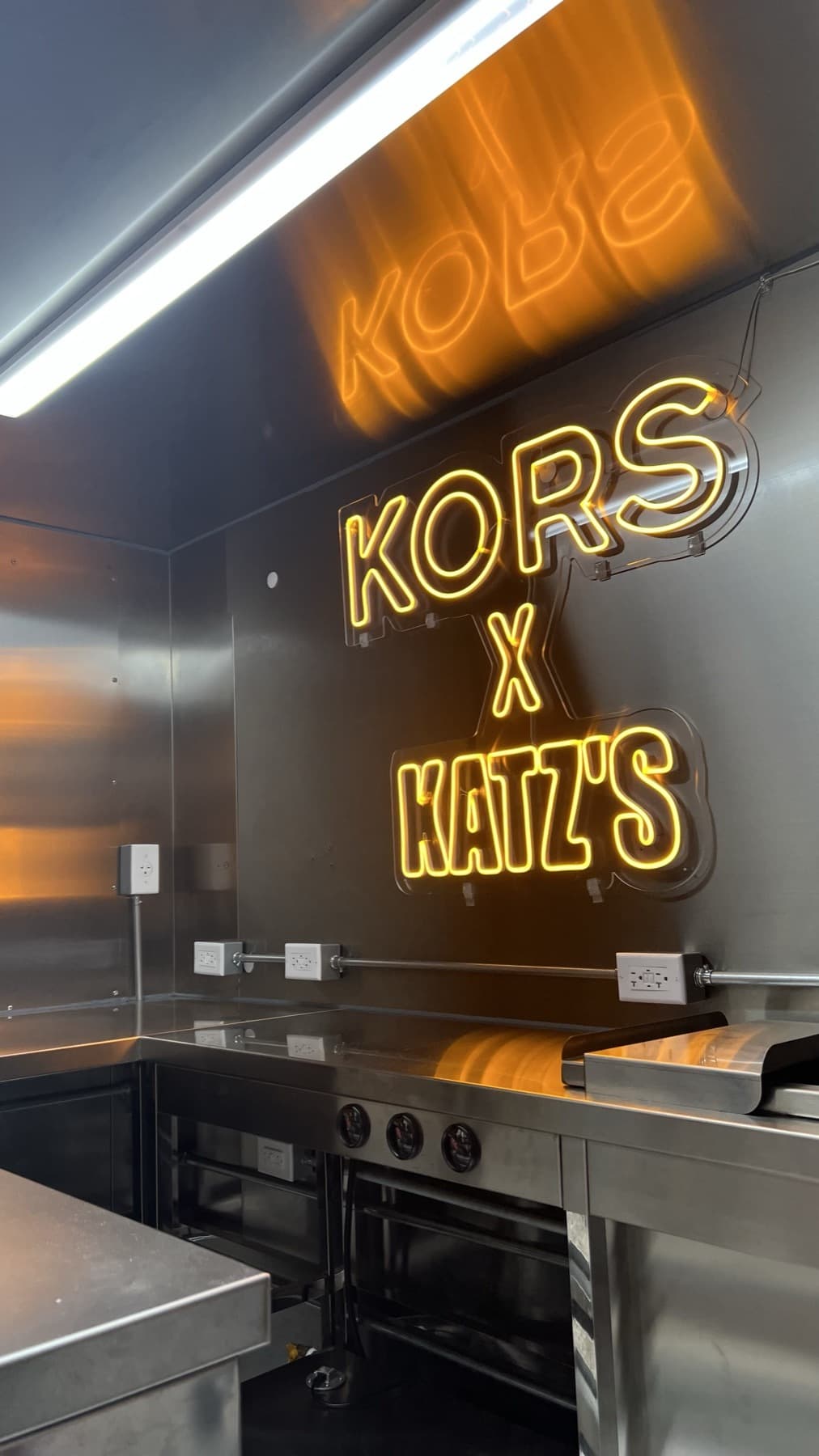
An LED-lit Michael Kors cart on a makeshift SoHo runway for Fashion Week — pastrami sandwiches served in a collaboration with Katz’s Deli.

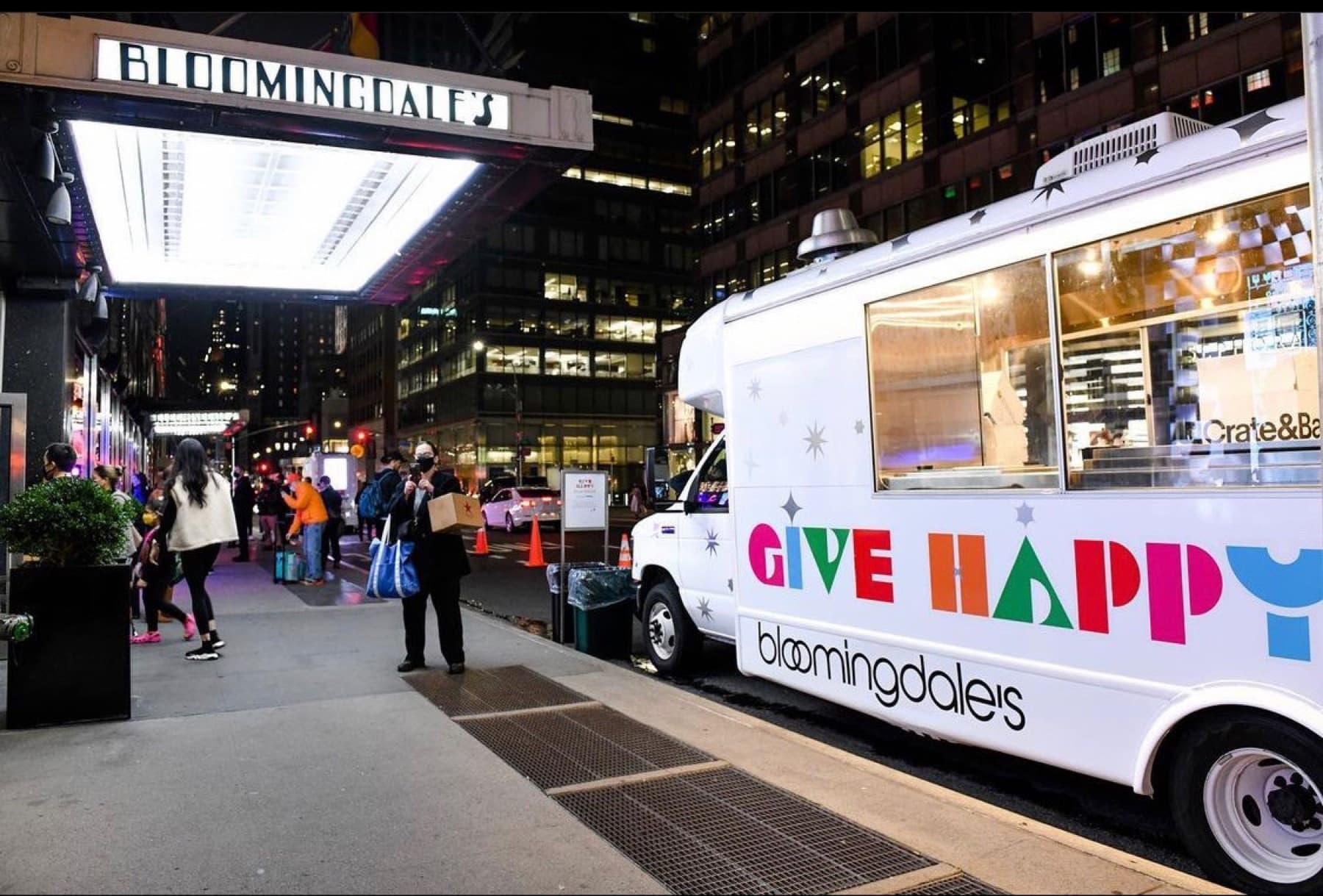
A repeat retail partner: custom-wrapped trucks and carts run across multiple month-plus activations, with free meals for spend-threshold shoppers.
Put the product in hands at volume, in a setting where trying it is the natural thing to do rather than an interruption.
Park at your own door. Louis Vuitton and Bloomingdale’s both ran spend-threshold rewards redeemed at a truck outside the store.
A launch needs somewhere for the cameras to point. A wrapped truck is a set that drives itself to the location.
The wrap is a one-time cost. Across a multi-city run it amortises, which is why touring is the cheapest per-day version of this.
A truck is not the right instrument for every experiential brief. Here is where the other formats genuinely beat it, so you can rule this out quickly if it is wrong for you.
Wins on depth. If the product needs handling, fitting, or fifteen minutes of explanation, a room beats a window. But a pop-up is a lease, a build, and a fixed address that the audience has to decide to travel to.
Choose the pop-up when the product needs a room.
Wins on guaranteed footfall — you are buying a crowd that has already assembled. You are also buying it alongside forty other brands, inside a footprint you did not choose, on the organiser’s dates.
Choose the booth when the audience only gathers once a year.
Wins on cost and coverage. Ten people with tote bags cover more pavement than one truck. What they cannot do is make anyone stop, and a flyer handed to a walking person is close to a rounding error.
Choose the street team for volume, not for memory.
Wins on reach, unambiguously, and on attribution. $10,000 of social buys far more impressions than a truck. It does not buy anyone a sandwich, a photograph, or ninety seconds of standing still.
Choose social for reach; choose this for recall.
Experiential has a reputation for unfalsifiable reporting, and it is mostly deserved. An “impressions” figure derived from the daily footfall of a street is not a measurement, it is a multiplication.
We would rather agree the metric before the truck moves. Units served and dwell we can count directly. Footfall we can count at the truck rather than infer from the block. Earned media we can collect. Anything we cannot actually observe, we will tell you we cannot actually observe.
If your brief needs a number nobody can honestly produce, that is worth knowing in the first meeting rather than the debrief.
Send the brand, the market, and the dates. We scope the truck, the footprint, and a working budget, and reply within 48 hours.
Branded Food TrucksBrand Activation GuideFood Truck Advertising